
In today’s fast-moving digital world, machine learning tools and AI software have become the backbone of modern research. Whether you’re a student, data scientist, academic researcher, or tech professional, these tools help you analyze complex datasets, automate repetitive tasks, and extract insights that were once impossible to see manually Machine Learning Tools.
From predictive analytics to natural language processing, these powerful tools are reshaping how we understand data, solve problems, and innovate in every field Machine Learning Tools.
Below are the 10 best machine learning tools and AI software that are creating massive impact in research today Machine Learning Tools.
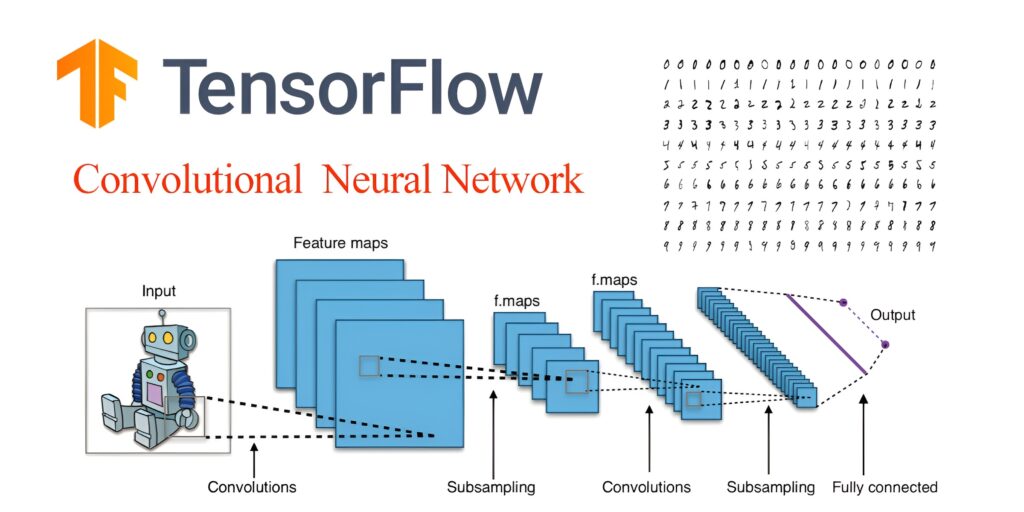
1. TensorFlow
TensorFlow is one of the most powerful and widely adopted open-source machine learning frameworks available today. Developed by Google Brain, it has grown into a complete ecosystem that supports everything from simple neural networks to cutting-edge deep learning architectures powering the world’s most advanced AI applications. What began as a flexible tool for internal Google projects quickly evolved into a framework used by researchers, developers, scientists, startups, and enterprises across the globe.
At its core, TensorFlow is designed to help users build, train, and deploy machine learning and deep learning models efficiently at scale.
Whether you’re working on image recognition, natural language processing (NLP), predictive analytics, recommendation systems, or reinforcement learning, TensorFlow provides the tools and libraries needed to make the entire process smooth and efficient. The framework’s architecture is built around the concept of computational graphs, which allow complex mathematical operations to be executed with high performance across CPUs, GPUs, and even specialized processors like TPUs (Tensor Processing Units) Machine Learning Tools.
One of the biggest reasons researchers love TensorFlow is its scalability. Unlike many machine learning libraries that work well only on small datasets or single machines, TensorFlow is built to handle everything from local experiments to distributed training across multiple devices and cloud environments.
This means a researcher can start with a small experiment on a laptop and then scale the same model to train on massive datasets using cloud-based GPU clusters—without changing the core code. This ability to scale effortlessly makes TensorFlow ideal for both academic research and industrial-level AI development Machine Learning Tools.
TensorFlow is also incredibly flexible, offering multiple ways to build and train machine learning models. For beginners, TensorFlow provides high-level APIs like Keras, which offer a simple, user-friendly interface for creating neural networks with just a few lines of code. Keras makes experimentation easy, allowing researchers to quickly test new ideas, change model architectures, or fine-tune parameters without getting overwhelmed by low-level details Machine Learning Tools.
For advanced users, TensorFlow offers low-level APIs that provide full control over every aspect of the computational graph. This is especially useful in research environments where custom architectures, novel algorithms, or experimental techniques need to be implemented. The combination of high-level simplicity and low-level control is one of TensorFlow’s biggest strengths.
Another major advantage of TensorFlow is its strong support for production deployment. Once a model is trained, TensorFlow offers multiple tools to deploy it efficiently—whether on web servers, mobile apps, edge devices, or IoT hardware. TensorFlow Lite, for example, allows models to run on smartphones and embedded devices with extremely low latency. TensorFlow.js enables models to run directly inside web browsers. TensorFlow Serving makes it easy to deploy models at scale on servers, ensuring high throughput and low latency for real-time applications. This end-to-end deployment ecosystem is one of the key reasons why TensorFlow is used so widely in commercial AI solutions.
TensorFlow also provides robust tools for data visualization and model debugging through TensorBoard, one of its most celebrated features. TensorBoard gives researchers an interactive dashboard to visualize training progress, model accuracy, loss curves, histograms, computation graphs, embeddings, and more. This real-time visibility helps researchers identify problems early, fine-tune hyperparameters, and understand how their models behave under different conditions. For many users, TensorBoard alone is a compelling reason to choose TensorFlow over other frameworks Machine Learning Tools.
The framework’s popularity is further strengthened by its huge global community. Millions of developers use TensorFlow, contributing tutorials, code examples, pre-trained models, and extensions. Google and the open-source community continually release updates, improving performance, adding new features, and ensuring compatibility with the latest hardware advancements. With thousands of GitHub repositories, Kaggle notebooks, online courses, and community forums available, beginners and professionals alike find it easy to learn and implement TensorFlow in their projects Machine Learning Tools.
Moreover, TensorFlow supports a wide range of formats and tools that simplify machine learning workflows. With TF Datasets, researchers can quickly load and preprocess large datasets. TF Hub contains pre-trained models for tasks like image classification, language modeling, and object detection, allowing users to accelerate research using transfer learning. TF Agents provides tools for reinforcement learning, while TF Probability is designed for probabilistic modeling and statistical analysis. This modularity makes TensorFlow a complete ecosystem rather than just a library.
Another key reason TensorFlow stands out is its seamless integration with Google’s cloud ecosystem. With Google Cloud AI Platform, users can train massive models, manage data pipelines, and deploy AI solutions with minimal effort. TensorFlow also works exceptionally well with TPUs, Google’s custom chips optimized for machine learning workloads, which significantly speed up model training.
In short, TensorFlow is much more than a machine learning framework—it’s a comprehensive platform that enables innovation, experimentation, and production-grade deployment. From academia to industry, from small prototypes to enterprise AI systems, TensorFlow remains a top choice for researchers who want powerful, scalable, and flexible tools to bring their ideas to life……https://www.tensorflow.org/
2. PyTorch
PyTorch has rapidly grown into one of the most influential and widely preferred machine learning frameworks, especially within the research community. Developed by Meta (Facebook) AI Research Lab, PyTorch stands out because of its incredible simplicity, flexibility, and intuitive design. Unlike many traditional machine learning frameworks that require rigid structures and static computational graphs, PyTorch introduced a more natural and user-friendly approach to model building—one that feels like standard Python coding.
At the heart of PyTorch is its dynamic computation graph, also known as “define-by-run.” This means that the computation graph is built on the fly during runtime, rather than being pre-defined before execution. For researchers and students, this is a game changer. Instead of spending hours debugging static graph errors or dealing with complex abstractions, PyTorch allows developers to write code more naturally and iterate much faster. This dynamic behavior enables quick experimentation, easy debugging, and more meaningful control over model architectures Machine Learning Tools.
Because of this flexibility, PyTorch has become the go-to framework for cutting-edge deep learning research. Many breakthroughs in computer vision, reinforcement learning, and natural language processing (NLP) have been built using PyTorch. In fact, numerous top research labs at universities and tech companies rely on PyTorch as their primary tool for prototyping new ideas. Its clean API structure, Pythonic syntax, and minimal boilerplate code make it ideal for writing complex model definitions without unnecessary overhead Machine Learning Tools.
PyTorch is especially powerful in deep learning, where tasks often require custom layers, experimental architectures, or innovative training strategies. The framework makes it easy to create neural networks using its torch.nn library, which offers components like linear layers, convolution layers, RNNs, LSTMs, transformers, and loss functions. With just a few lines of code, researchers can assemble and fine-tune complex models that would normally take hours to configure in other frameworks Machine Learning Tools.
In addition to its strengths in deep learning, PyTorch is widely recognized for its effectiveness in NLP tasks. Libraries like TorchText, Hugging Face Transformers, and Fairseq are deeply integrated with PyTorch, allowing researchers to work with state-of-the-art language models such as BERT, GPT, RoBERTa, and T5. Because these models require massive amounts of experimentation and fine-tuning, PyTorch’s dynamic computation style is perfectly suited to handle the complexity. Researchers working on text classification, sentiment analysis, translation, speech recognition, and chatbots frequently rely on PyTorch to build and train their models.
Another major advantage of PyTorch is its strong GPU support. PyTorch integrates seamlessly with CUDA, allowing developers to leverage NVIDIA GPUs with minimal setup. This means faster model training, more efficient computation, and the ability to work with large datasets that would otherwise be impossible to handle. For researchers dealing with high-resolution images, video data, or long-sequence NLP models, this performance boost is essential Machine Learning Tools.
PyTorch also shines when it comes to experimentation and rapid prototyping. Because it allows for immediate execution and intuitive debugging, researchers can test new algorithms, adjust parameters, or modify layers without rebuilding static graphs. This saves significant time and allows for smoother creativity and innovation. It’s one of the primary reasons why many PhD students, AI educators, and research scientists prefer PyTorch over other frameworks Machine Learning Tools.
In recent years, PyTorch has evolved from being primarily a research tool to a powerful platform for industrial deployment as well. With the introduction of TorchServe, developers can deploy models into production environments efficiently, making it easier for companies to integrate deep learning into their applications. PyTorch Mobile supports deployment on Android and iOS devices, enabling AI-powered mobile apps without requiring complex conversions. This crossover from research to production has increased PyTorch’s popularity across startups, enterprise systems, and AI product development teams.
Additionally, PyTorch has one of the most active and supportive global communities in the machine learning world. Developers share tutorials, pre-trained models, research papers, GitHub repositories, and ready-to-use code. Whether you’re a beginner or an experienced AI engineer, you’ll find countless learning resources, courses, and community discussions to help you solve problems faster. The framework continues to grow as Meta and open-source contributors push updates, improvements, and optimizations regularly Machine Learning Tools.
One notable aspect of PyTorch is how well it integrates with modern AI ecosystems. Tools like Hugging Face, Lightning AI, OpenAI’s gym environments, and various AutoML platforms are designed with PyTorch compatibility in mind. This ecosystem provides researchers with everything they need—from dataset loaders to pre-built architectures, visualization tools, experiment trackers, and deployment frameworks Machine Learning Tools.
In summary, PyTorch has earned its reputation as one of the most versatile and researcher-friendly machine learning frameworks available today. Its dynamic graph structure, deep learning capabilities, intelligent design, and thriving community make it an essential tool for students, academics, and AI professionals. Whether you’re exploring complex neural networks, experimenting with NLP models, or building AI prototypes, PyTorch gives you the flexibility and power to bring your ideas to life Machine Learning Tools.
Best for: deep learning projects, NLP applications, rapid prototyping, innovative AI research, and tasks that require maximum flexibility and experimentation Machine Learning Tools.
3. Scikit-learn
Scikit-learn is one of the most popular and beginner-friendly machine learning libraries in the Python ecosystem. Unlike heavy deep learning frameworks designed for complex neural networks, Scikit-learn focuses on classical machine learning algorithms—making it perfect for students, educators, analysts, and professionals who want fast, reliable results without dealing with complicated code. Its simplicity, clean API design, and strong performance have earned it a special place in both academic research and industry applications.
One of the biggest reasons Scikit-learn is widely loved is its accessibility. You don’t need to be an expert in artificial intelligence to start using it. With just a few lines of Python code, you can train a model, test it, evaluate accuracy, and even deploy it. The library provides a consistent and intuitive interface, using similar patterns for loading data, training models, tuning parameters, and making predictions. This makes it extremely easy for beginners to grasp the fundamentals of machine learning, while enabling experts to build prototypes quickly.
Scikit-learn comes loaded with a wide range of machine learning algorithms for tasks such as:
✔ Classification
Algorithms like Support Vector Machines (SVM), logistic regression, random forests, decision trees, and naïve Bayes allow users to build models for spam detection, medical diagnosis, sentiment analysis, and more Machine Learning Tools.
✔ Regression
Linear regression, ridge regression, lasso regression, and gradient boosting methods make Scikit-learn ideal for predicting continuous values such as house prices, sales forecasts, and customer behavior Machine Learning Tools.
✔ Clustering
Tools like K-means, DBSCAN, and hierarchical clustering help analyze unlabeled data to identify hidden patterns and natural groupings.
✔ Dimensionality Reduction
PCA (Principal Component Analysis), t-SNE, and Factor Analysis help simplify large datasets, reduce noise, and improve visualization.
✔ Data Preprocessing
Scikit-learn includes utilities for scaling, normalizing, encoding, splitting, and transforming datasets—crucial steps in building accurate models.
Because these algorithms are well-optimized and built on top of efficient numerical libraries like NumPy and SciPy, Scikit-learn delivers strong performance even on moderately large datasets.
Another major advantage of Scikit-learn is how well it fits into the workflow of data analysis. It integrates seamlessly with tools like Pandas for data manipulation and Matplotlib or Seaborn for visualization. This makes the entire research process smooth—from importing data, cleaning it, analyzing it, training models, and interpreting results.
Educators particularly love Scikit-learn because it helps students understand machine learning concepts without overwhelming them. Instead of writing algorithms from scratch, learners can focus on understanding how and why models work. For analysts and business professionals, Scikit-learn is a powerful ally—it allows them to quickly test hypotheses, build predictive models, and explore what-if scenarios without needing complex infrastructure Machine Learning Tools.
Another big strength is its reliability and consistency. Scikit-learn emphasizes stability and ease of use, which makes it ideal for production workflows where predictability matters. Its documentation is exceptionally clear, offering examples, tutorials, and step-by-step guides that help users at all skill levels Machine Learning Tools.
While Scikit-learn doesn’t specialize in deep learning, it excels in classical machine learning—an area that still powers many real-world applications. From financial risk modeling and customer segmentation to healthcare analytics and academic projects, Scikit-learn remains one of the most trusted tools in the AI world Machine Learning Tools.
In summary, Scikit-learn is a lightweight yet powerful machine learning library built to make AI accessible to everyone. Its straightforward syntax, wide range of algorithms, excellent documentation, and integration with the broader Python ecosystem make it the perfect starting point for beginners and a valuable tool for professionals who want quick, accurate results.
Perfect for: students, educators, analysts, and anyone who wants to build machine learning models quickly with minimal setup.
4. Jupyter Notebook
Although not a modeling tool itself, Jupyter is essential for interactive coding, testing models, and documenting research.
Why it stands out: allows live code, visualizations, and explanations in one place Machine Learning Tools.
5. RapidMiner
A powerful no-code/low-code machine learning platform ideal for business analytics and academic research Machine Learning Tools.
Features include: automated ML, predictive analytics, easy workflow design, and data visualization.
6. IBM Watson Studio
This cloud-based AI platform helps researchers build, train, and deploy ML models without deep coding skills.
Best for: enterprise-level analytics, NLP research, and predictive modeling.
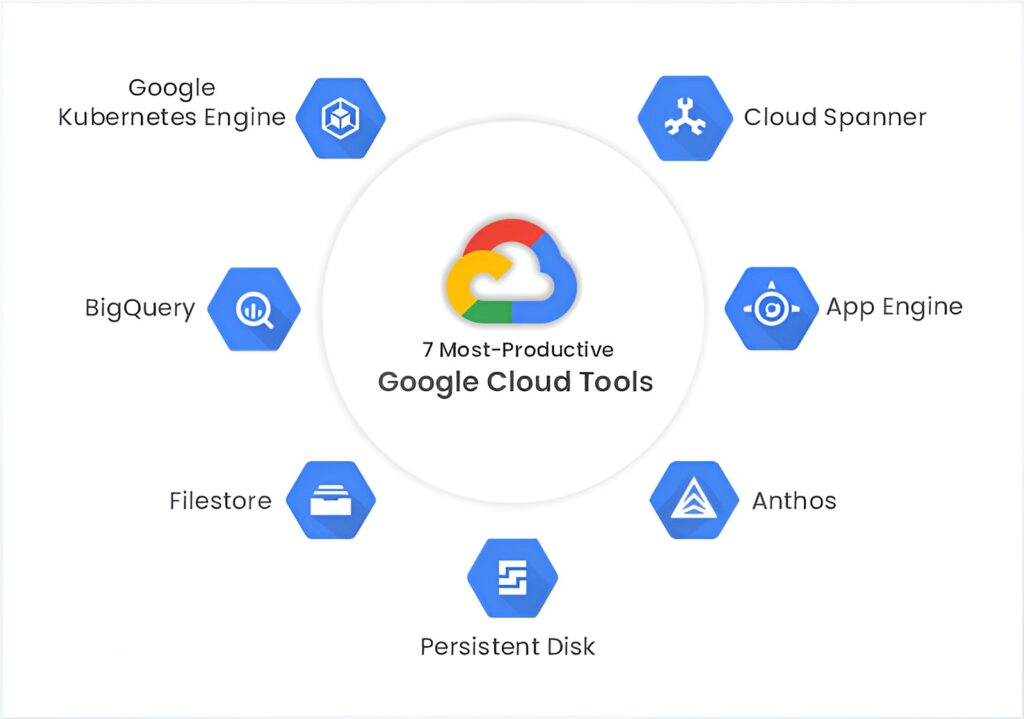
7. Google Cloud AI Platform
Google’s ML ecosystem makes it easy to build large-scale ML models, manage data pipelines, and deploy solutions in production.
Why researchers use it: high computing power, automation, and seamless integration with TensorFlow.
8. Microsoft Azure Machine Learning
Azure ML offers advanced tools for training, testing, and deploying machine learning models in the cloud.
Top advantage: AutoML, prebuilt algorithms, and strong security for sensitive research data.
9. Keras
Keras is a user-friendly, high-level deep learning API that runs on top of TensorFlow.
Why it’s great: simple syntax, fast experimentation, and flexible model-building for researchers.
10. KNIME
KNIME is an open-source data analytics platform that connects machine learning, data cleaning, and model building in a drag-and-drop environment.
Best for: researchers who want visual workflows without writing heavy code.
How These Tools Are Transforming Modern Research
✔ Faster data processing
Researchers can now analyze massive datasets that would take humans months or years to process.
✔ Automation of repetitive work
AI models handle tasks like feature engineering, clustering, or image classification with minimal manual effort.
✔ Better accuracy and predictions
Machine learning tools identify patterns and predict outcomes with remarkable precision.
✔ Democratization of research
Even beginners with little coding knowledge can build powerful models using no-code AI software.
Final Thoughts
Machine learning tools and AI software are no longer optional—they are essential for anyone involved in modern research. Whether you’re exploring scientific datasets, analyzing customer behavior, or building predictive models, these tools help transform raw data into meaningful insights.
As AI continues to evolve, researchers who use these technologies will stay ahead, make smarter decisions, and uncover innovations faster than ever before….Blogs
Helpful content