
Artificial Intelligence (AI), Machine Learning (ML), and Deep Learning (DL) are no longer futuristic concepts — they are actively shaping the technology, business, and healthcare landscapes. From self-driving cars to smart healthcare systems, these technologies are transforming the way we live and work. Understanding the future trends in AI, ML, and DL can help businesses, developers, and enthusiasts stay ahead in this rapidly evolving field.
Here are 15 key trends that you can’t ignore 15 Future Trends in Artificial Intelligence, Machine Learning, and Deep Learning You Can’t Ignore.
1️⃣ AI in Healthcare Diagnostics
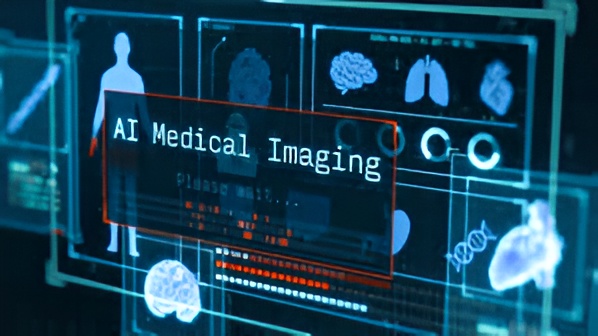
Artificial Intelligence (AI), machine learning (ML), and deep learning (DL) are transforming healthcare diagnostics in ways that were unimaginable just a decade ago. The combination of AI algorithms, neural networks, and big data analytics is enabling doctors and healthcare providers to deliver faster, more accurate, and highly personalized patient care. From routine check-ups to complex disease detection, AI in healthcare diagnostics is creating a paradigm shift in how medicine is practiced globally 15 Future Trends in Artificial Intelligence, Machine Learning, and Deep Learning You Can’t Ignore.
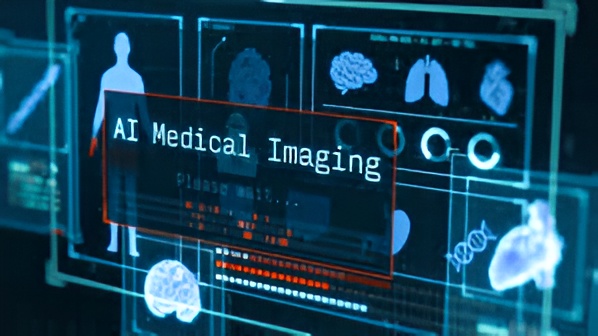
How AI is Transforming Healthcare Diagnostics
Traditionally, medical diagnosis relied heavily on human expertise, clinical judgment, and labor-intensive testing. While skilled physicians and radiologists provide invaluable expertise, the growing complexity of modern healthcare, combined with increasing patient loads, makes it challenging to maintain consistent accuracy.
AI and deep learning address these challenges by processing vast amounts of data from multiple sources — including patient records, medical imaging, genetic data, and real-time health metrics — to provide insights that are both fast and precise. AI diagnostic systems can identify patterns and anomalies that may be too subtle for the human eye, ensuring early detection of diseases and better treatment outcomes.
Applications of AI in Healthcare Diagnostics
- Medical Imaging and Radiology
AI algorithms are widely used in analyzing CT scans, X-rays, MRIs, and ultrasound images. Deep learning models can detect tumors, fractures, and other abnormalities faster than traditional methods. For instance:- AI can identify early-stage cancers that are difficult for radiologists to spot.
- Neural networks analyze patterns in images to detect subtle tissue changes that indicate disease progression.
This leads to earlier interventions, which significantly improves patient survival rates.
- Predictive Diagnostics
Using machine learning, AI can predict disease risks based on historical patient data and lifestyle factors. For example:- Predicting the likelihood of heart attacks, strokes, or diabetes complications.
- Forecasting outbreaks of infectious diseases using data from hospitals, labs, and even social media trends.
Predictive diagnostics allows healthcare providers to intervene proactively instead of waiting for symptoms to manifest.
- Personalized Medicine
AI-powered diagnostic systems analyze genetic information, medical history, and treatment responses to create individualized healthcare plans. For example:- Tailored cancer treatments based on tumor genetics.
- Personalized drug dosing that minimizes side effects.
Personalized diagnostics improve recovery rates and reduce the risk of treatment failures.
- Cardiac Monitoring
AI algorithms can monitor heart activity in real-time using wearable devices or hospital-grade sensors. These systems detect arrhythmias, early signs of heart disease, and other critical conditions. Alerts can be sent instantly to doctors or caregivers, allowing for immediate intervention, which can save lives. - Pathology and Lab Testing
Deep learning models are increasingly used in pathology to analyze blood, tissue, and biopsy samples. AI can automatically detect abnormalities such as infections, blood disorders, or early-stage cancers with higher accuracy and speed than traditional manual review.
Benefits of AI in Healthcare Diagnostics
- Faster Diagnosis: AI reduces the time needed to analyze complex data sets, enabling quicker identification of diseases.
- Higher Accuracy: Deep learning and neural networks minimize human errors in interpreting medical images or lab results.
- Cost Reduction: Automated diagnostics can lower the need for repeated tests and reduce the burden on healthcare systems.
- Early Detection: Identifying diseases in their initial stages improves survival rates and reduces the cost of treatment.
- Scalability: AI can handle large volumes of data, making it useful in hospitals, clinics, and telemedicine platforms worldwide 15 Future Trends in Artificial Intelligence, Machine Learning, and Deep Learning You Can’t Ignore.
Real-World Examples of AI in Healthcare Diagnostics
- IBM Watson Health: Uses AI algorithms to analyze patient records and medical literature to provide diagnostic and treatment recommendations, particularly in oncology.
- Google DeepMind Health: Developed AI models for early detection of diabetic retinopathy and breast cancer, achieving near-human accuracy in medical imaging.
- Aidoc: AI-powered radiology software that automatically flags abnormalities in CT and MRI scans, helping radiologists prioritize critical cases.
Hospitals worldwide are increasingly integrating these AI tools into their diagnostic workflows to improve patient outcomes and streamline operations 15 Future Trends in Artificial Intelligence, Machine Learning, and Deep Learning You Can’t Ignore.
Challenges and Considerations
While AI in healthcare diagnostics is incredibly promising, there are challenges to address:
- Data Privacy and Security: Patient data is sensitive. AI systems must comply with privacy regulations such as HIPAA and GDPR to ensure secure data handling.
- Integration with Existing Systems: Hospitals often use legacy systems that may be difficult to integrate with advanced AI tools.
- Ethical and Legal Concerns: Responsibility for misdiagnosis or errors in AI-assisted diagnostics must be clearly defined.
- Bias in AI Models: AI trained on non-representative datasets may produce biased results, affecting accuracy for certain populations.
Despite these challenges, the benefits of AI-driven diagnostics far outweigh the drawbacks, making it an essential tool for modern healthcare.
The Future of AI in Healthcare Diagnostics
The future is bright for AI in diagnostics. Emerging trends include:
- Real-time remote diagnostics through wearable devices and telemedicine platforms.
- Integration of genomics and AI, enabling precision medicine at a population scale.
- Explainable AI (XAI) to make diagnostic decisions transparent and understandable for clinicians.
- Global accessibility, providing advanced diagnostics to underserved and rural communities.
AI will not replace doctors — instead, it will empower healthcare professionals to make smarter, faster, and more accurate decisions.
2️⃣ Autonomous Vehicles
The rise of autonomous vehicles (AVs) is one of the most exciting applications of artificial intelligence (AI), machine learning (ML), and deep learning (DL) in the modern world. Self-driving cars, drones, and autonomous delivery systems are no longer science fiction — they are being tested on roads, skies, and warehouses globally. Powered by neural networks, AI algorithms, and real-time sensor processing, autonomous vehicles promise to revolutionize transportation, logistics, and urban mobility, offering safer, more efficient, and environmentally friendly solutions.
How Autonomous Vehicles Work
Autonomous vehicles rely on a combination of advanced technologies to navigate the environment without human intervention:
- Sensors and Cameras
AVs are equipped with LiDAR, radar, ultrasonic sensors, and high-definition cameras. These devices collect real-time data about the vehicle’s surroundings, such as other cars, pedestrians, traffic signals, and road conditions. - Deep Learning and Neural Networks
Deep learning models process this massive sensor data to detect objects, classify them, and predict their movements. For example, a neural network can distinguish a pedestrian from a cyclist, a car from a truck, and even identify road signs and lane markings accurately. - Decision-Making Algorithms
Machine learning algorithms analyze the processed data and make driving decisions in real-time. These decisions include braking, accelerating, lane changing, and navigation. Reinforcement learning helps the vehicle improve its decision-making over time by learning from past experiences. - Vehicle-to-Everything (V2X) Communication
Autonomous vehicles communicate with other vehicles, traffic infrastructure, and cloud-based traffic management systems. This connectivity ensures that AVs can anticipate traffic conditions, avoid collisions, and optimize routes efficiently.
Applications of Autonomous Vehicles
- Self-Driving Cars
The most widely recognized application of autonomous technology is self-driving cars. Companies like Tesla, Waymo, and Cruise are developing vehicles capable of fully autonomous operation in urban and highway environments. These cars can:- Reduce accidents caused by human error (responsible for over 90% of traffic accidents globally).
- Optimize traffic flow through smart navigation.
- Improve fuel efficiency by maintaining optimal speeds and reducing unnecessary braking.
- Autonomous Drones
Drones powered by AI and deep learning are revolutionizing delivery services, agriculture, and surveillance. Applications include:- Delivery drones: transporting packages quickly to remote or urban areas.
- Agriculture drones: monitoring crop health and optimizing irrigation.
- Security drones: patrolling large areas without human intervention.
- Autonomous Public Transport
Buses, shuttles, and taxis are gradually becoming autonomous. These systems can reduce operational costs, improve route efficiency, and provide 24/7 service without fatigue or human error. - Logistics and Supply Chain
Autonomous trucks and warehouse robots enhance supply chain efficiency. AI-powered vehicles can transport goods across long distances or move items inside warehouses with precision, reducing delivery times and operational costs.
Benefits of Autonomous Vehicles
- Enhanced Safety
AI algorithms reduce human error, which is the leading cause of accidents. Autonomous vehicles can detect hazards faster, maintain safe distances, and react to emergencies more effectively than human drivers. - Traffic Efficiency
Self-driving vehicles can communicate with traffic management systems to reduce congestion, optimize traffic lights, and find the fastest routes. This reduces commute times, fuel consumption, and air pollution. - Environmental Impact
Autonomous vehicles can optimize driving patterns for better fuel efficiency and integrate with electric vehicle technology. This helps reduce greenhouse gas emissions and promotes eco-friendly transportation. - Accessibility
AVs provide mobility solutions for elderly individuals, people with disabilities, and those unable to drive. This fosters inclusivity and independence for all members of society. - Economic Benefits
Reduced accidents, lower insurance premiums, decreased fuel consumption, and optimized logistics contribute to substantial economic gains.
Challenges in Autonomous Vehicle Adoption
Despite the tremendous promise, autonomous vehicles face several challenges:
- Regulatory and Legal Issues
Governments are still developing frameworks for AV operations, liability in accidents, and safety standards. Legal clarity is essential for mass adoption. - Technical Limitations
AVs must perform flawlessly in diverse weather conditions like rain, snow, fog, and extreme heat. Sensor limitations and computational errors can compromise safety. - Cybersecurity Risks
Autonomous vehicles rely heavily on software and connectivity, making them susceptible to hacking or data breaches. Strong cybersecurity measures are vital. - Public Acceptance
People must trust AI-powered vehicles to share roads with human drivers. Building confidence through rigorous testing and transparent communication is critical. - Ethical Decisions
AVs must make split-second ethical choices in emergencies, such as deciding between two harmful outcomes. Programming ethical decision-making into AI remains a complex challenge.
Future Trends in Autonomous Vehicles
- AI-Powered Smart Cities
Integration of AVs with smart city infrastructure will optimize traffic flow, energy consumption, and urban planning. - Autonomous Ride-Sharing
Companies are planning fleets of self-driving taxis and shuttles that provide affordable, on-demand transportation while reducing urban congestion. - Integration with AI Healthcare Systems
Autonomous vehicles may be used for emergency medical transport, integrating with AI diagnostic systems to provide life-saving support en route to hospitals. - Improved AI Algorithms
Continuous advancements in deep learning, reinforcement learning, and neural networks will make AVs safer, smarter, and more adaptable to real-world conditions. - Global Expansion
AV adoption is expanding rapidly in North America, Europe, and Asia. In the coming decade, self-driving vehicles will become a global norm in personal, commercial, and public transport.
3️⃣ Natural Language Processing (NLP)
AI-powered NLP is transforming communication. From chatbots to virtual assistants, these systems can understand, process, and respond to human language. Applications include customer service automation, content generation, and real-time translation services.

4️⃣ Generative AI
Generative AI models, such as GPT and DALL·E, can create human-like text, images, and videos. Businesses are using these tools for marketing, creative content, and research. Future advancements will make generative AI even more realistic and versatile.
5️⃣ AI-Powered Cybersecurity
With growing cyber threats, AI and ML algorithms are used to detect anomalies, prevent attacks, and secure sensitive data. Deep learning models can analyze massive datasets to predict and prevent security breaches before they occur.
6️⃣ Predictive Analytics
Predictive analytics uses machine learning to forecast future trends based on historical data. Companies are leveraging AI algorithms to improve business decisions, optimize supply chains, and enhance customer experiences.
7️⃣ Edge AI
Edge AI brings intelligence closer to devices instead of relying solely on cloud computing. This reduces latency, improves real-time decision-making, and enhances privacy. Applications include smart cameras, IoT devices, and autonomous drones.
8️⃣ Reinforcement Learning
Reinforcement learning is a branch of ML where AI systems learn through trial and error. This approach is used in robotics, game AI, and recommendation systems. Future advancements will allow machines to learn complex tasks with minimal human intervention.
9️⃣ Explainable AI (XAI)
As AI becomes more widespread, understanding how AI models make decisions is critical. Explainable AI ensures transparency and trust by providing interpretable insights into complex deep learning models.
🔟 AI in Finance
Artificial Intelligence (AI), Machine Learning (ML), and Deep Learning (DL) are reshaping the financial industry. From banking to investment management, insurance, and fraud prevention, AI algorithms are revolutionizing how financial services operate. By analyzing vast datasets, identifying patterns, and predicting market trends, AI provides smarter, faster, and more accurate financial decision-making than ever before.
Financial institutions around the world are increasingly adopting AI-powered solutions to improve efficiency, reduce risks, enhance customer experiences, and drive profitability.

How AI Works in Finance
AI in finance relies on several technologies and techniques:
- Machine Learning Models
ML models are trained on historical financial data to detect patterns, forecast trends, and make predictive recommendations. These models help banks and fintech companies optimize investments, manage risks, and automate routine processes. - Deep Learning & Neural Networks
Deep learning algorithms analyze unstructured data, such as financial reports, social media, news articles, and market trends, to provide actionable insights. Neural networks can detect complex relationships in data that traditional statistical methods often miss. - Natural Language Processing (NLP)
NLP allows AI systems to process and interpret text-based data from financial news, earnings reports, and market commentary. This enables sentiment analysis, helping investors and institutions make informed decisions quickly. - Predictive Analytics
AI predicts future trends by analyzing historical patterns, real-time market data, and external variables like economic indicators or geopolitical events. Predictive analytics is critical for risk assessment, portfolio management, and fraud detection.
Applications of AI in Finance
- Fraud Detection and Prevention
Financial fraud is a major concern for banks, payment processors, and fintech companies. AI algorithms analyze transaction patterns in real-time to detect anomalies and prevent fraudulent activity. Key benefits include:- Immediate identification of suspicious transactions.
- Reduction in financial losses.
- Protection of customer accounts and sensitive data.
- Algorithmic Trading
AI-powered algorithmic trading systems automatically execute buy and sell orders based on predefined criteria and market conditions. Deep learning models analyze historical and real-time market data to identify profitable trading opportunities. Benefits include:- Increased trading efficiency.
- Minimization of human errors.
- Ability to operate 24/7 across global markets.
- Risk Management
AI assesses creditworthiness, market volatility, and operational risks. By analyzing massive datasets, AI models can:- Predict loan defaults.
- Identify potential investment risks.
- Recommend risk mitigation strategies in real-time.
- Personalized Financial Advice
Fintech companies use AI chatbots and recommendation engines to offer personalized financial advice to clients. By analyzing user behavior, transaction history, and investment goals, AI provides tailored insights, such as:- Optimized investment portfolios.
- Budgeting recommendations.
- Savings and insurance suggestions.
- Customer Service Automation
AI-powered chatbots and virtual assistants provide 24/7 customer support. These systems can handle inquiries about account balances, transactions, loan applications, and more, improving response times and reducing operational costs. - Credit Scoring and Lending
Traditional credit scoring often overlooks valuable insights. AI algorithms analyze alternative data sources, including social behavior, spending patterns, and online activity, to provide more accurate credit scoring, enabling financial inclusion for underserved populations more know to click herehttps://cloud.google.com/discover/financ\
Benefits of AI in Finance
- Efficiency and Speed
AI automates repetitive tasks such as data entry, compliance checks, and reporting, allowing human employees to focus on strategic decision-making. - Enhanced Accuracy
AI reduces human error in financial analysis, trading, and risk assessment, leading to better outcomes and informed decisions. - Cost Reduction
Automation and predictive analytics decrease operational costs, reduce fraud losses, and improve resource allocation. - Improved Customer Experience
AI enables real-time support, personalized advice, and faster transaction processing, enhancing customer satisfaction and loyalty. - Advanced Insights and Forecasting
By analyzing vast datasets, AI uncovers hidden patterns and trends, providing insights that traditional methods might miss. This enables smarter investments and proactive risk management.
Real-World Examples
- JPMorgan Chase uses an AI program called COiN to review legal documents and contracts, reducing hundreds of thousands of hours of manual work.
- Mastercard employs AI algorithms to detect fraudulent transactions in real-time, protecting millions of users globally.
- Robo-advisors, such as Betterment and Wealthfront, leverage AI to offer automated investment strategies personalized for individual clients.
- PayPal and Stripe use machine learning to analyze transaction patterns and prevent fraud before it occurs.
Challenges and Considerations
Despite its benefits, AI in finance also faces challenges:
- Data Privacy and Security
Handling sensitive financial data requires compliance with regulations like GDPR, PCI-DSS, and local banking laws. - Regulatory Compliance
Financial institutions must ensure AI models comply with legal frameworks and audit requirements. - Bias and Fairness
AI models may inherit biases from training data, affecting lending decisions or investment recommendations. Continuous monitoring is essential. - Complexity and Interpretability
Deep learning models can be complex and hard to interpret, which can create challenges in explaining decisions to regulators and clients rtificial Intelligence, Machine Learning, and Deep Learning.
Future Trends in AI Finance
- Integration with Blockchain
AI combined with blockchain technology will enhance secure transactions, smart contracts, and fraud prevention rtificial Intelligence, Machine Learning, and Deep Learning. - Predictive Wealth Management
AI will offer real-time, predictive insights for investors, enabling proactive adjustments to portfolios. - AI-Driven Regulatory Compliance
RegTech powered by AI will automate monitoring, reporting, and compliance to reduce legal risks. - Advanced Fraud Detection
AI will continuously evolve to detect new fraud patterns in real-time, leveraging deep learning and anomaly detection. - Global Financial Inclusion
AI-driven credit scoring and micro-lending platforms will provide financial services to underbanked populations worldwide.
1️⃣1️⃣ AI in Manufacturing
Smart factories are leveraging AI and neural networks for predictive maintenance, quality control, and process automation. This increases efficiency, reduces downtime, and improves production quality.
1️⃣2️⃣ Computer Vision
Deep learning powers computer vision, enabling machines to “see” and interpret visual data. Applications include facial recognition, retail analytics, autonomous vehicles, and medical imaging.
1️⃣3️⃣ AI in Education
AI-driven learning platforms provide personalized education, adaptive learning paths, and automated grading. Machine learning helps educators identify gaps and improve learning outcomes for students.
1️⃣4️⃣ AI-Enhanced Robotics
AI algorithms combined with deep learning make robots smarter, more adaptive, and capable of complex tasks. Applications range from warehouse automation to surgical robots, increasing precision and efficiency.
1️⃣5️⃣ AI Ethics and Regulation
As AI becomes more powerful, ethical concerns like bias, privacy, and accountability are gaining attention. Governments and organizations are creating policies and frameworks to ensure responsible AI usage, transparency, and fairness.
✅ Conclusion
The combination of artificial intelligence, machine learning, and deep learning is redefining industries, healthcare, transportation, and everyday life. Staying updated with these 15 future trends helps businesses, developers, and enthusiasts harness AI effectively, innovate responsibly, and remain competitive in a technology-driven world more to know click here….http://decodeai.blog