
Introduction in “How to Ensure Ethical Use of AI Tools for Bloggers – Tips and Guidelines”
- Overview of AI in blogging (content generation, SEO, editing, research)
- The rise of AI-assisted blogging tools
- Why ethics in AI usage matters for bloggers
- Risks of unethical AI usage: plagiarism, misinformation, bias
- Benefits of ethical AI use: credibility, audience trust, long-term succes
1. Understanding AI Tools for Bloggers
- In the digital age, blogging has evolved from simple content writing to a complex ecosystem of SEO, engagement, and analytics. Bloggers are constantly seeking ways to create high-quality, engaging, and optimized content faster.
This is where AI tools for bloggers come into play. AI-powered platforms help writers streamline content creation, improve research efficiency, and enhance overall productivity, enabling bloggers to focus on strategy and creativity rather than repetitive tasks.
Understanding these tools is crucial for bloggers who want to stay competitive, attract more readers, and maintain consistent publishing schedules.
AI tools are not a replacement for human creativity but rather a powerful assistant that augments writing, editing, research, and optimization processes.
1.1 What Are AI Tools for Bloggers?
AI tools for bloggers are software applications powered by artificial intelligence technologies such as natural language processing (NLP), machine learning, and predictive analytics. These tools can perform a variety of functions, including:
Content generation: AI can produce drafts, blog outlines, and even fully written articles based on keywords, topics, or prompts.
SEO optimization: AI analyzes keywords, meta descriptions, headings, and readability to optimize blogs for search engines Ethical Use of AI Tools for Bloggers Ethical Use of AI Tools for Bloggers.
Editing and proofreading: Advanced AI tools detect grammatical errors, suggest better sentence structures, and improve overall readability.
Research and data insights: AI tools can summarize articles, gather trending topics, and analyze competitor blogs v.
In short, AI tools empower bloggers to write smarter, not harder, saving hours of manual work while ensuring content quality Ethical Use of AI Tools for Bloggers.
1.2 Key Types of AI Tools for Bloggers
AI tools come in various forms, each serving a specific purpose in the blogging workflow. Understanding these types helps bloggers choose the right tools for their needs.
1.2.1 AI Content Generators
These tools can generate drafts, outlines, and even full-length articles in minutes. Bloggers can input a topic or keyword, and the AI produces coherent and readable content Ethical Use of AI Tools for Bloggers.
Examples of use:
Generating blog introductions and conclusions
Creating topic outlines for structured writing
Producing multiple content variations for A/B testing
Benefits include time savings, inspiration for writers’ block, and increased productivity.
1.2.2 AI SEO Tools
SEO is critical for any blog to rank on search engines. AI-powered SEO tools analyze:
Keyword density
Internal and external linking
Meta descriptions and titles
Readability and structure
By integrating AI SEO tools, bloggers can optimize content for higher visibility, ensuring their articles reach the right audience without spending hours manually analyzing SEO metrics.
1.2.3 AI Editing and Proofreading Tools
Even experienced bloggers can make mistakes. AI editing tools go beyond simple spellcheck and grammar correction. They offer:
Style improvement suggestions
Sentence restructuring for clarity
Plagiarism detection
Tone analysis to match audience expectations
This ensures that content is not only error-free but also professional, engaging, and credible.
1.2.4 AI Research Tools
Research is often the most time-consuming part of blogging. AI research tools can:
Summarize long articles or reports
Identify trending topics and keywords
Analyze competitors’ blogs for content gaps
Provide data-backed insights for content strategy
With AI research, bloggers can make informed decisions and produce content that resonates with readers while staying ahead of competitors Ethical Use of AI Tools for Bloggers.
1.3 Benefits of Using AI Tools for Bloggers
Using AI tools offers numerous advantages that can transform the blogging workflow:
1.3.1 Saves Time and Effort
AI can handle repetitive tasks like drafting, editing, or keyword research, freeing bloggers to focus on creative and strategic aspects of content creation.
1.3.2 Enhances Content Quality
AI tools ensure error-free, readable, and SEO-optimized content, increasing the likelihood of ranking higher on search engines and engaging readers Ethical Use of AI Tools for Bloggers.
1.3.3 Improves Consistency
Regular publishing is key to blogging success. AI tools help maintain consistent quality and output, even when bloggers are managing multiple projects or topics Ethical Use of AI Tools for Bloggers.
1.3.4 Provides Data-Driven Insights
AI tools provide insights on trending topics, competitor performance, and audience preferences, enabling bloggers to tailor content that meets readers’ needs.
1.3.5 Cost-Effective Solution
Instead of hiring multiple writers, editors, or SEO specialists, small bloggers or teams can rely on AI tools to perform multiple functions efficiently, reducing operational costs Ethical Use of AI Tools for Bloggers.
1.4 Practical Applications of AI Tools for Bloggers
AI tools can be used throughout the blogging workflow, from idea generation to publishing:
Idea Generation: AI suggests trending topics or unique angles based on user queries and popular searches. Ethical Use of AI Tools for Bloggers
Content Drafting: AI drafts blog posts, saving hours of manual writing.
SEO Optimization: AI analyzes content for keywords, meta tags, and internal links to improve ranking potential Ethical Use of AI Tools for Bloggers.
Editing & Proofreading: AI refines the draft, correcting grammar and improving readability.
Publishing & Monitoring: AI tools can even suggest posting times, monitor engagement metrics, and provide insights for future posts Ethical Use of AI Tools for Bloggers more to know click here https://smartscaleinsights.in/ai-tools-for-bloggers-beginners-guide-2025/
2. Common Ethical Challenges in AI Blogging
- Artificial Intelligence (AI) has transformed the blogging industry, making content creation faster, more efficient, and highly scalable. From AI-powered content generators to SEO optimization tools, bloggers now have a variety of resources to produce high-quality content in a fraction of the time.
However, with these technological advantages come ethical challenges that every blogger must be aware of Understanding these issues is essential to maintain credibility, trust, and compliance while leveraging AI tools effectively Ethical Use of AI Tools for Bloggers.
1. Plagiarism and Content Originality
One of the most significant ethical concerns in AI blogging is plagiarism. AI content generators create articles based on patterns and existing content found on the internet Ethical Use of AI Tools for Bloggers.
While this enables rapid content creation, it increases the risk of producing material that is too similar to existing sources Ethical Use of AI Tools for Bloggers.
Challenge: Unintentional replication of content can lead to copyright violations, poor SEO performance, and reputational damage Ethical Use of AI Tools for Bloggers.
Solution: Bloggers must always use plagiarism checkers to verify AI-generated content. Tools like Copyscape, Grammarly, and Turnitin can detect duplicated content and ensure originality Ethical Use of AI Tools for Bloggers.
Maintaining originality is not just about legality; it also builds trust with readers, establishing the blogger as a credible and responsible content creator Ethical Use of AI Tools for Bloggers.
2. Accuracy and Reliability of Information
AI tools can generate content quickly, but they may not always produce factually accurate or reliable information. For instance, a blog post about medical advice, financial tips, or legal guidelines written by AI could contain errors if the AI is trained on outdated or biased data.
Challenge: Sharing incorrect information can mislead readers and harm the blogger’s reputation.
Solution: Bloggers must verify AI-generated content against credible sources before publishing. Fact-checking is essential, especially in niche topics like health, finance, or education.
Ensuring accuracy is an ethical responsibility that upholds the integrity of both the blogger and the wider blogging community.
3. Bias in AI Content
AI systems are trained on large datasets from the internet, which can include biases and stereotypes. This means that AI-generated content can sometimes reflect gender, racial, cultural, or ideological biases.
Challenge: Biased content can alienate audiences, propagate stereotypes, and damage credibility.
Solution: Bloggers must review AI outputs carefully and adjust or rewrite content to remove bias. Choosing AI tools that prioritize ethical AI practices can also reduce the risk of biased content.
Addressing bias ensures that blogs remain inclusive, fair, and respectful to diverse audiences.
4. Over-Reliance on AI and Loss of Human Touch
Another ethical concern is the over-reliance on AI, which can result in content that feels impersonal or robotic. While AI can generate grammatically correct and structured content, it often lacks emotional depth, storytelling, and human intuition Ethical Use of AI Tools for Bloggers.
Challenge: Overusing AI may lead to blogs that fail to engage readers, reducing trust and connection Ethical Use of AI Tools for Bloggers.
Solution: Bloggers should combine AI tools with human creativity. Use AI for drafts, research, and optimization, but always inject personal insights, storytelling, and unique perspectives Ethical Use of AI Tools for Bloggers.
Maintaining the human touch is crucial for building authentic engagement and loyal readership Ethical Use of AI Tools for Bloggers.
5. Transparency and Disclosure
Ethical blogging also requires transparency about AI usage. Readers have the right to know if content is fully or partially generated by AI. Failing to disclose AI involvement can raise questions about credibility and honesty.
Challenge: Lack of disclosure may lead to distrust or skepticism among readers and stakeholders.
Solution: Bloggers should include disclaimers or notes indicating that AI assisted in content creation.
For example: “This article was created with the assistance of AI tools and reviewed by a human editor.”
Transparency enhances credibility and aligns with ethical standards in digital content creation.
6. Intellectual Property and Copyright Issues
AI-generated content exists in a gray area of copyright law. While bloggers can use AI to create content, ownership rights can sometimes be unclear, especially if AI tools pull heavily from copyrighted sources.
Challenge: Using AI content without understanding copyright rules could lead to legal disputes.
Solution: Bloggers should read terms of service for AI tools, ensure proper licensing, and avoid copying protected content. Using AI as a creative assistant rather than a direct copy machine helps maintain compliance.
Respecting intellectual property rights is a fundamental ethical responsibility for bloggers.
7. Privacy Concerns
Some AI blogging tools collect user data, such as search history, writing habits, and topic preferences. Mismanagement of this data can create privacy concerns, especially if sensitive information is stored or shared without consent.
Challenge: Violating privacy can harm readers’ trust and lead to legal issues under data protection laws like GDPR.
Solution: Bloggers must choose AI tools that respect privacy, avoid inputting sensitive data unnecessarily, and comply with relevant regulations.
Ethical use of AI includes protecting both the blogger’s and readers’ data.
8. Maintaining Authentic Voice
Lastly, AI can sometimes overshadow the blogger’s unique voice and style, producing content that feels generic. Maintaining a distinct voice is crucial for building brand identity and audience loyalty.
Challenge: Blogs dominated by AI may lack originality and personal connection.
Solution: Use AI as a support tool, not a replacement. Personalize content by adding opinions, examples, anecdotes, and brand-specific tone.
Balancing AI efficiency with personal authenticity is key to ethical blogging.
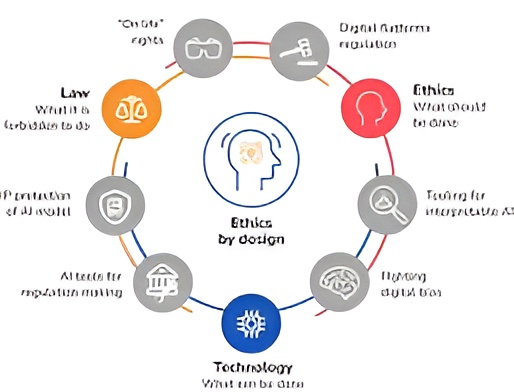
3. Best Practices for Ethical AI Usage
- Always disclose AI usage in content
- Use AI to assist, not replace, human judgment
- Fact-check AI-generated content thoroughly
- Maintain originality and voice in your blog posts
- Regularly update AI tools and training data
4. AI-Powered Content Creation: Do’s and Don’ts
Do’s:
- Use AI for research and ideas
- Combine AI output with personal insights
- Optimize for SEO responsibly
Don’ts: - Don’t copy AI-generated text verbatim without edits
- Don’t use AI to spread false information
- Avoid over-automation that misleads readers
5. Case Studies: Ethical vs. Unethical AI Usage
- Examples of successful bloggers using AI ethically
- Examples of content flagged for plagiarism or misinformation
- Lessons learned and actionable strategies
6. AI and Plagiarism: Maintaining Originality
- Tools for plagiarism detection
- How to rewrite and personalize AI-generated content
- Importance of citations and references
7. Data Privacy and AI Blogging
- How AI tools collect and process data
- GDPR and Indian privacy regulations
- Protecting user data and ensuring secure blogging
8. Transparency: Informing Your Readers About AI
- Adding disclaimers for AI-assisted content
- Explaining AI’s role in content creation
- Enhancing reader trust through transparency
9. AI Tools Review: Ethical Features to Look
- Features like plagiarism checkers, bias detection, content originality
- Free vs premium AI tools with ethical guidelines
- Choosing AI tools aligned with your blogging values
10. Legal Implications of AI Usage in Blogging
- As artificial intelligence (AI) continues to revolutionize content creation, bloggers increasingly rely on AI tools for generating articles, improving SEO, and optimizing workflow.
While these tools offer efficiency and convenience, they also bring legal challenges that every blogger must understand.
Ignoring these implications can lead to copyright disputes, intellectual property violations, or penalties for using unlicensed AI software.
This makes understanding the legal landscape of AI in blogging crucial for maintaining compliance and protecting your work.
10.1 Copyright Concerns for AI-Generated Content
Copyright is one of the most significant legal issues surrounding AI-generated content. Traditionally, copyright protects the work of human authors, giving them exclusive rights to reproduce, distribute, and modify their content.
However, AI-generated content exists in a gray area, as it is produced by algorithms rather than a human creator.
Challenge: Determining who owns AI-generated content can be complex. If a blog post is fully generated by AI, some legal systems may not recognize it as eligible for copyright protection. This raises questions about ownership, licensing, and reuse.
Example: Using an AI tool to generate a blog post and publishing it as your own without human input may create ambiguity over whether you hold full rights to the content.
Solution: To minimize legal risk:
Use AI as an assistant, not a sole author, by adding significant human editing, commentary, and personalization.
Keep records of your creative contributions to AI-generated content.
Check the terms of service of your AI tool to ensure you have the rights to publish and monetize the output.
10.2 Intellectual Property Rights
Intellectual property (IP) laws extend beyond copyright, covering trademarks, patents, and trade secrets. AI-generated content may inadvertently violate IP rights if it includes:
Trademarked names or logos
Proprietary images or illustrations
Excerpts from copyrighted texts
For example, if an AI content generator uses a dataset containing copyrighted material and your blog post reproduces it without permission, you may face legal claims for infringement.
Solution:
Always verify sources and ensure AI content does not copy proprietary material.
Use royalty-free or licensed images, media, and references Ethical Use of AI Tools for Bloggers.
Give credit where required, and avoid publishing content that may violate others’ IP rights.
By proactively respecting IP laws, bloggers can protect themselves from lawsuits and maintain credibility.
10.3 Risks of Using Unlicensed AI Tools
Not all AI tools available online are properly licensed for commercial use. Some free or low-cost platforms may restrict publishing rights or include hidden clauses in their terms of service. Using such tools for monetized blogging can expose creators to legal and financial risks.
Challenge: Unlicensed tools may produce content that you cannot legally use for profit, or the AI provider may claim partial ownership of generated content.
Example: A blogger using an unlicensed AI tool to create content for a sponsored post could face a breach of contract or copyright claim from the software provider.
Solution:
Choose reputable AI tools that clearly grant commercial rights for content usage.
Read the license agreements thoroughly to ensure compliance.
Keep records of tool subscriptions and license confirmations to demonstrate legal usage if questioned Ethical Use of AI Tools for Bloggers.
10.4 Liability and Accountability
Another legal concern is liability for AI-generated content. Since AI can produce errors, biased statements, or defamatory content, bloggers may be held responsible for publishing it.
Example: An AI-generated article containing false claims about a competitor or medical advice could lead to defamation lawsuits or regulatory penalties.
Solution: Bloggers should always review AI-generated content carefully before publishing, fact-check all information, and ensure compliance with relevant laws.
Maintaining accountability ensures that your blog remains legally protected while providing accurate and trustworthy content.
10.5 Compliance with Data Protection Laws
Many AI tools process user data, including search queries, personal information, and content preferences. This introduces potential privacy and data protection issues. Bloggers who collect or process personal data through AI tools must comply with regulations such as:
GDPR (General Data Protection Regulation) in the EU
CCPA (California Consumer Privacy Act) in the U.S.
Solution:
Avoid inputting sensitive personal data into AI platforms unless they comply with privacy regulations
Include privacy policies on your blog explaining how AI tools are used and how data is processed.
Select AI tools that prioritize secure and compliant data handling Ethical Use of AI Tools for Bloggers.
Compliance reduces the risk of fines, lawsuits, and reputational damage.
10.6 Best Practices to Mitigate Legal Risks
To navigate the legal complexities of AI blogging safely, follow these best practices:
Use AI as a Supporting Tool: Add human creativity and review to all AI-generated content Ethical Use of AI Tools for Bloggers.
Verify Copyright and IP Compliance: Ensure all text, images, and references are properly licensed.
Choose Licensed AI Tools: Confirm commercial rights and adhere to terms of service Ethical Use of AI Tools for Bloggers.
Fact-Check Content: Avoid spreading false or misleading information.
Maintain Transparency: Consider disclosing AI assistance to readers Ethical Use of AI Tools for Bloggers.
Protect Data Privacy: Follow local and international data protection laws.
Keep Documentation: Record licenses, permissions, and edits to AI content for legal defense.

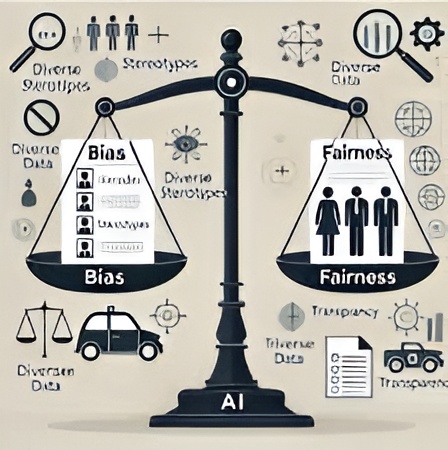
11. AI Bias and Fairness in Content
- Understanding AI bias
- How to detect and mitigate bias in your blog content
- Examples of biased AI output and corrective measures
12. Step-by-Step Guide for Ethical AI Blogging
- Selecting the right AI tool
- Researching topics responsibly
- Editing AI content for originality and accuracy
- Adding citations and disclaimers
- Publishing ethically on WordPress
13. Future Trends: Ethical AI in Blogging
- AI transparency regulations
- AI tools with built-in ethical compliance
- Evolution of human-AI collaboration in content creation Ethical Use of AI Tools for Bloggers
14. FAQs
- Is it ethical to fully rely on AI for blog posts?
- How do I cite AI-generated content?
- Can AI help maintain originality?
- Which AI tools follow ethical guidelines?
15. Conclusion
Encouragement to embrace AI tools while maintaining integrity Ethical Use of AI Tools for Bloggers
Summary of ethical AI blogging practices
Importance of responsibility, originality, and transparency Ethical Use of AI Tools for Bloggers and http://decodeai.blog
hi you commented on my blog post The Complete Beginner’s Guide to Using AI Tools for Bloggers (2025) can you tell me how is it and any suggestion for me to further improve my blog post